



What Is the Production Process of Signature Candles?
The production process of Signature Candles includes several important steps, such as fragrance development, wax preparation, wick selection, Candle pouring, cooling, quality inspection, and packaging. Unlike standard candles, a Signature Candle requires more customization during development to achieve a unique scent, appearance, and brand identity. Each stage plays an important role in creating a high-quality candle product.
With increasing demand for personalized home fragrance products, many brands choose to develop Signature Candles to match their market positioning. From selecting raw materials to final packaging, the production process requires careful planning and professional manufacturing experience.
Fragrance Development and Product Planning
The first step in producing a Signature Candle is defining the product concept. Manufacturers usually communicate with customers about the desired fragrance style, target market, packaging requirements, and application scenarios.
Fragrance development is one of the most important parts of the process. A candle manufacturer may create different fragrance samples based on customer requirements. These samples are tested to ensure the scent matches the expected atmosphere and brand image.
For a Custom Signature Candle, businesses can select unique fragrance combinations instead of using standard formulas. This allows the final product to have a distinctive identity.
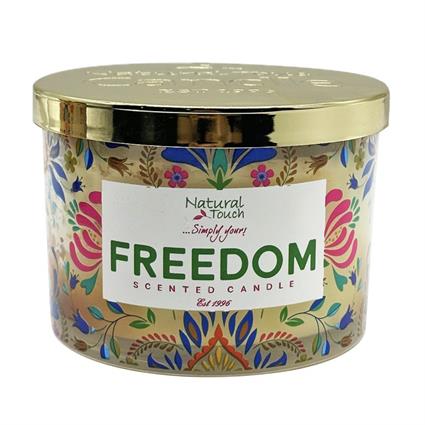
Selecting Wax and Materials
After confirming the fragrance design, manufacturers select suitable materials for production. Different wax types can create different burning experiences.
Common candle wax materials include soy wax, coconut wax, beeswax, paraffin wax, and blended wax. Natural wax options are often selected by brands that focus on eco-friendly product positioning.
The container material is also an important part of Signature Candle production. Manufacturers may use glass jars, ceramic containers, metal tins, or specially designed candle vessels depending on the product requirements.
Wick Selection and Testing
The wick directly affects candle performance. Choosing the correct wick size and material helps maintain stable burning and proper fragrance release.
During production, manufacturers test different wick options according to candle diameter, wax type, and fragrance concentration. A suitable wick helps create an even flame and improves the overall user experience.
For Signature Candles, wick testing is especially important because customized formulas may require adjustments compared with regular candle products.
Wax Melting and Fragrance Mixing
During manufacturing, wax is carefully heated until it reaches the required temperature. The fragrance oil is then added and mixed evenly to ensure consistent scent distribution.
The temperature control during this stage is important because it can affect the final appearance and fragrance performance of the candle.
Professional candle manufacturers monitor the mixing process to ensure every batch of Signature Candles maintains consistent quality.
Candle Pouring and Cooling
After the wax and fragrance mixture is prepared, it is poured into containers with pre-positioned wicks.
The cooling process requires proper temperature control and sufficient time. Rapid cooling may affect the candle surface, while incorrect handling may cause appearance issues.
Manufacturers usually allow candles to cure after pouring. This curing period helps the fragrance blend with the wax and improves the overall burning experience.
Quality Inspection
Before shipment, Signature Candles go through quality checks. Manufacturers inspect candle appearance, fragrance consistency, wick position, burning performance, and packaging quality.
For Custom Signature Candle orders, manufacturers may also check whether labels, logos, and customized packaging meet customer requirements.
Quality inspection ensures that each candle delivered to customers matches the agreed product specifications.
Customized Packaging and Final Delivery
Packaging is an important part of Signature Candle production. Many brands use customized boxes, labels, and designs to strengthen product recognition.
A well-designed package can improve product presentation and make candles suitable for retail sales, gifts, hotels, and promotional events.
After completing all production steps, candles are packed and prepared for delivery according to customer order requirements.
Why Choose Professional Signature Candle Manufacturers?
Working with professional manufacturers can help businesses develop unique candle products with consistent quality. Experienced suppliers understand fragrance formulation, material selection, production control, and customization requirements.
For brands planning to launch their own candle collections, a reliable Signature Candle manufacturer can provide support from product design to mass production. This helps create candles that match brand positioning and customer expectations.
Conclusion
The production process of Signature Candles involves multiple stages, including concept planning, fragrance creation, material selection, candle making, testing, and customized packaging. Compared with regular candle manufacturing, Signature Candle production requires more attention to product details and brand requirements. For businesses looking to create unique fragrance products, working with an experienced manufacturer can help develop high-quality Custom Signature Candle solutions that match their market needs.