



Burning Candles offers more than soft lighting and decorative appeal. For consumers, Candles can create a relaxing atmosphere, enhance interior spaces, support sensory experiences, and provide an alternative source of ambient light. For retailers, wholesalers, and importers, these benefits create opportunities to serve customers across the home fragrance, hospitality, wellness, gift, and lifestyle markets. However, the actual benefits of burning candles depend on product design, wax composition, wick selection, fragrance formulation, and manufacturing quality.
Understanding how candles perform in real-world applications helps B2B buyers select products that meet consumer expectations while maintaining consistent quality across bulk orders. From raw material selection to final burn testing, every manufacturing decision can influence the fragrance experience, flame stability, burning time, and overall product safety.
1. Candles Create a Relaxing Atmosphere and Enhance Everyday Comfort
One of the main benefits of burning candles is their ability to create a calm and comfortable environment. Unlike bright overhead lighting, candlelight produces a soft, localized glow that can make bedrooms, living rooms, restaurants, spas, and hotel spaces feel more intimate. The warm appearance of a candle flame can also serve as a visual focal point during reading, dining, meditation, or evening relaxation.
For commercial buyers, this benefit is particularly relevant to hospitality and interior design markets. Hotels may use candles to enhance guest experiences, while restaurants can incorporate them into table settings to establish a distinctive atmosphere. Home fragrance brands can also position candles as everyday lifestyle products rather than items reserved for special occasions.
Product construction affects this experience more than appearance alone. A properly centered wick helps maintain a balanced flame, while an appropriate wick size supports consistent combustion. If the wick is too large, the flame may become excessively high and produce more soot. If it is too small, the candle may struggle to melt the surrounding wax evenly, resulting in tunneling and reduced usable wax.
During manufacturing, wick placement, wax cooling, and container dimensions must therefore be controlled carefully. A reliable candle manufacturer should evaluate these variables together rather than selecting each component independently. This approach helps ensure that the finished candle delivers the intended lighting effect throughout its usable life.
2. Scented Candles Enhance Sensory Experiences
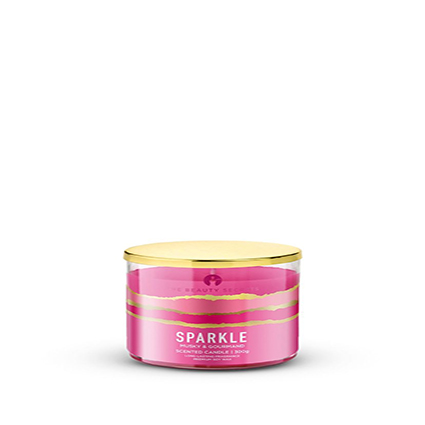
Scented Candles combine visual warmth with fragrance, making them popular for home fragrance collections, spas, hospitality environments, and seasonal gift ranges. Depending on the fragrance composition, burning candles may help create a fresh, cozy, floral, woody, or festive atmosphere. Certain scents are also commonly associated with relaxation or familiar memories, although individual responses vary and fragrance does not guarantee a therapeutic effect.
The quality of the fragrance experience depends on more than the fragrance oil itself. Wax chemistry, fragrance compatibility, fragrance concentration, wick performance, and the candle's diameter all influence how effectively a scent is released during burning.
During production, fragrance is typically incorporated into the melted wax under controlled conditions. The appropriate addition temperature and mixing time depend on the wax system and fragrance formulation. Excessive heat may affect volatile fragrance components, while insufficient mixing can lead to inconsistent fragrance distribution. An unsuitable fragrance-to-wax ratio may also cause sweating, poor adhesion, unstable burning, or excessive smoke.
After pouring and cooling, manufacturers should assess both cold throw, which describes the fragrance perceived before lighting, and hot throw, which describes the fragrance released during burning. These evaluations should use standardized sample conditions wherever possible, including consistent room size, ventilation, candle size, and burn duration.
For B2B buyers, these controls are especially important when sourcing private-label products. A candle supplier should be able to communicate fragrance specifications, batch consistency procedures, and the testing methods used to verify the finished product. This helps buyers distinguish between candles that smell appealing in their packaging and products that deliver a consistent fragrance experience during actual use.
3. Candles Support Interior Decoration and Brand Differentiation
Beyond their functional benefits, candles are versatile decorative products. Their containers, colors, shapes, surface finishes, and fragrances can be adapted to different interior styles and customer preferences. Minimalist glass candles may suit contemporary home collections, while sculptural candles, metallic containers, and seasonal colors can appeal to gift buyers and premium lifestyle retailers.
For wholesalers and importers, this flexibility makes candles suitable for multiple market segments, including home décor, wedding favors, corporate gifts, hotel amenities, and seasonal retail promotions. Customized labels, packaging, fragrance profiles, and container finishes also give brands opportunities to establish recognizable product lines.
Manufacturing precision is essential when these products are sold as coordinated collections. Variations in pigment dispersion, wax temperature, cooling rate, or pouring technique can create color differences, surface cracks, frosting, sinkholes, and uneven finishes. Natural waxes, particularly soy-based formulations, may develop visible frosting as the wax crystallizes. This does not automatically indicate a safety problem, but excessive or inconsistent frosting can affect perceived quality.
To control these defects, a candle factory should establish clear specifications for appearance, dimensions, color tolerance, container cleanliness, and packaging. Cooling conditions should be monitored, and production samples should be inspected before bulk manufacturing proceeds. For customized orders, an approved pre-production sample provides a practical reference for checking color, fragrance, dimensions, labeling, and overall finish.
These controls help candle manufacturers maintain consistency across large production runs and reduce the risk of receiving mixed-quality goods that are difficult to sell through premium retail channels.
4. Candles Provide Ambient Light During Power Interruptions
Traditional candles can provide localized illumination when electrical lighting is unavailable. This can be useful during short power interruptions, outdoor dining, camping, or other situations where a portable light source is desirable. Their operation does not depend on batteries, charging cables, or an electrical connection.
However, candles are not a substitute for emergency lighting designed for evacuation or prolonged power outages. An open flame introduces fire risks, and candlelight may not provide sufficient illumination for navigating stairs or identifying hazards. Battery-powered emergency lights are generally more appropriate for those purposes.
For buyers sourcing candles for household or hospitality use, burn stability and container integrity are important considerations. The wax must melt and feed the wick consistently, while the wick should remain appropriately positioned throughout use. In container candles, the vessel must tolerate the expected thermal conditions without cracking or becoming dangerously hot.
Quality control should include burn tests that evaluate flame behavior, visible smoke, soot formation, container temperature where relevant, and the candle's behavior as the wax level decreases. Testing should follow the applicable product standards and intended-use requirements in the destination market. A candle that performs well during the first hour may behave differently near the end of its life, so testing only the initial burn is insufficient.
5. Burning Candles Can Complement Relaxation and Personal Rituals
Many consumers incorporate candles into routines such as meditation, yoga, bathing, journaling, and evening wind-down activities. The combination of low-intensity lighting and a preferred fragrance can help establish a consistent environment for these activities. Unscented candles may be appropriate for users who prefer the visual effect of a flame without an added fragrance.
These benefits are primarily experiential rather than medical. Burning candles should not be presented as a treatment for anxiety, insomnia, respiratory conditions, or other health concerns. Fragrances can also trigger headaches, irritation, or sensitivity in some individuals, particularly in poorly ventilated spaces.
For brands serving wellness-oriented markets, thoughtful formulation and transparent labeling are therefore important. Fragrance selection should consider the intended environment, while wick and wax compatibility should be verified through repeated burn testing. Product claims should remain consistent with available evidence and applicable advertising regulations.
From a manufacturing perspective, the goal is to deliver a predictable sensory experience without compromising combustion performance. Fragrance consistency, controlled wick dimensions, appropriate wax selection, and reliable batch records all contribute to this objective. Buyers should request clear product specifications and avoid assuming that a natural wax or botanical fragrance automatically makes a candle safer for every user.
6. Wax Selection and Manufacturing Processes Determine Candle Performance
The benefits of burning candles depend significantly on how the product is manufactured. Different wax systems have different melting characteristics, hardness, fragrance compatibility, crystallization behavior, and burning properties. Paraffin wax is widely used for its versatility and fragrance performance. Soy wax is popular in home fragrance products, while beeswax and blended waxes serve specific aesthetic and performance requirements. No single wax type guarantees superior performance in every application.
The manufacturing process should be designed around the selected wax, wick, fragrance, and container combination.
Raw material inspection: Wax should be checked against the agreed specification, while fragrance materials, dyes, wicks, and containers should be verified for identity and suitability. Variations in raw material composition can affect fragrance release, surface appearance, and burning behavior. Supplier documentation and incoming inspection help reduce these risks.
Melting and formulation: Wax is heated within a controlled temperature range appropriate to the formulation. Excessive heating can degrade sensitive ingredients or increase production risks, while inadequate melting may cause inconsistent mixing. Temperature measurement and batch records support repeatable production.
Wick positioning and pouring: The wick must be secured centrally and maintained at the specified height. Wax pouring temperature, container temperature, and cooling rate influence adhesion and surface quality. Poor control may lead to sinkholes, air pockets, uneven surfaces, or separation between wax and container walls.
Cooling, finishing, and curing: Controlled cooling helps improve surface consistency and reduce certain structural defects. Some wax and fragrance systems benefit from a defined curing period before evaluation. Trimming, cleaning, labeling, and packaging should follow established work instructions to prevent contamination and presentation defects.
These stages are interconnected. For example, changing the wax blend can alter the candle's melting behavior, meaning that the original wick size may no longer provide suitable flame stability. Similarly, changing the fragrance formulation can affect combustion and may require the entire product to be reevaluated. Effective manufacturing therefore depends on testing the finished combination, not simply approving individual raw materials.
7. Key Quality Tests Help Buyers Verify Candle Safety and Consistency
For overseas B2B buyers, the most important question is whether the candles will perform consistently across the entire order. A professional quality assurance program should cover incoming materials, production controls, finished-product appearance, and real-world burning performance.
Burn performance testing: Representative samples should be burned under defined conditions to evaluate flame height and stability, wick behavior, tunneling, wax consumption, soot, and visible smoke. Testing should continue through relevant stages of the candle's usable life, with acceptance criteria established before production.
Thermal and container testing: Container candles should be assessed for cracks, leakage, excessive heating, and other hazards under appropriate test conditions. Container suitability must account for the candle's thermal behavior, dimensions, and intended use. A visually attractive glass vessel should not be assumed to be suitable for candle production without verification.
Fragrance and appearance inspection: Samples should be checked for fragrance consistency, surface defects, discoloration, frosting, wick alignment, and wax adhesion. Where fragrance performance is important, cold-throw and hot-throw evaluations should be conducted using consistent procedures.
Dimensional and packaging checks: Buyers should confirm candle weight, dimensions, label accuracy, carton quantities, and packaging integrity against the approved specification. For export orders, packaging should also be evaluated for its ability to protect the product during handling and transportation.
Compliance documentation: Depending on the destination market and product type, applicable candle safety, labeling, chemical, and packaging requirements may differ. Buyers should verify the relevant standards and request appropriate test reports, material documentation, and traceability records rather than relying on generic claims of compliance.
Before mass production, a pre-shipment inspection plan can define sampling levels, acceptable defect limits, required photographs, and procedures for handling nonconforming products. These measures help reduce disputes, protect brand reputation, and improve repeat-order consistency.
8. How to Choose a Reliable Candle Manufacturer or Supplier
Selecting a reliable manufacturing partner is essential for turning the benefits of candles into a dependable commercial product. Buyers should evaluate more than unit price and catalog appearance. Manufacturing experience, formulation capabilities, quality control, customization options, production capacity, and export documentation all influence the long-term value of a sourcing relationship.
When evaluating candle suppliers, request details about available wax formulations, wick options, fragrance customization, container choices, minimum order quantities, sampling procedures, lead times, and packaging services. Ask how the supplier verifies burn performance and manages changes to raw materials or product specifications.
Working directly with a candle factory may provide greater visibility into production controls and customization capabilities. However, a qualified trading partner or candle supplier can also offer value through product development, consolidated sourcing, and export coordination. The right choice depends on order volume, technical requirements, delivery expectations, and the buyer's internal resources.
For private-label programs, approved samples and written specifications should establish the baseline for bulk production. Buyers should also clarify how production batches are identified, how defects are handled, and whether changes in wax, fragrance, wick, or container will require renewed testing. These practices are particularly important when products are sold under a retailer's own brand.
Conclusion
The benefits of burning candles extend from creating a relaxing atmosphere and enhancing fragrance experiences to improving interior decoration and providing localized ambient light. These benefits create opportunities across home fragrance, hospitality, gifting, and lifestyle markets. Nevertheless, the final customer experience depends on product quality, appropriate formulation, safe design, and consistent manufacturing.
For wholesalers, importers, and retailers, choosing the right candles means looking beyond appearance and fragrance descriptions. Understanding wax selection, wick compatibility, production controls, burn testing, and quality documentation helps buyers make informed sourcing decisions. By partnering with capable candle manufacturers and reliable candle suppliers, businesses can develop candle collections that meet market expectations, support brand differentiation, and deliver more consistent performance across repeat orders.